A | Fourteen years ago, on 2 December 2011, The Dirty Picture arrived in theatres with an energy that felt bold and unexpected for its time. Films led by women were still uncommon and often followed a familiar formula. But Ekta Kapoor’s vision, paired with Vidya Balan and her fearless performance, shifted the way a heroine could be portrayed and truly celebrated in mainstream cinema.
Vidya’s portrayal of Silk became a cultural moment on its own. She brought strength, vulnerability and a raw honesty that made the character unforgettable. The performance earned her the National Award for Best Actress, the Filmfare Best Actress trophy and several international honours, but more than the awards, Silk became a symbol of agency and ambition.
The film also changed many conversations. It questioned how women are looked at on screen, explored desire and power from a woman’s point of view and spoke about themes that were rarely addressed in commercial cinema. Even with its unconventional lead, the film became a huge commercial success and proved that stories led by women could attract strong audiences and create impact.
Over the years, the film’s influence has only grown. The Dirty Picture encouraged filmmakers to write more layered female characters, gave confidence to women driven stories and played a major part in shifting how female protagonists are treated in Hindi cinema. It also cemented Vidya Balan as one of the most powerful performers of this generation.
The themes in the film still feel relevant today. Power, desire, loneliness and identity continue to reflect the experiences of many women in the entertainment world and beyond. And while the line “Entertainment, entertainment, entertainment” is still the most quoted, it is the emotion beneath Silk’s fearless exterior that gives the film its lasting weight.
For Vidya Balan, the film marked a turning point. It expanded her range, changed the way audiences saw her and showed the command she brings to every role. Fourteen years later, The Dirty Picture stands not just as a blockbuster but as a landmark that continues to shape how women are portrayed on screen.
Also Read: Illuminating Bollywood’s influence on major fashion trends。
C | 他后来说,自己3岁时母亲去世,父亲再婚后,继母对他进行了残酷的虐待。由于家里人口太多,他被父亲和继母赶到山上放羊,和一位老人住在一起。但是他7岁时老人去世了,他被孤零零地留在了山上。一开始,潘托哈观察动物们吃哪些水果蔬菜,靠有样学样活了下来,后来一只母狼收养了他,从此他跟着狼群一起生活了12年,直到被人发现。潘托哈说,当时母狼给幼崽喂完食后扔给了他一块肉,起先他不敢吃,以为母狼要攻击他,后来发现母狼只是用鼻子把肉在他面前推来推去。
D | “我捡起肉吃了,以为母狼要咬我,但它却伸出舌头开始舔我。从那时起,我就成了这个家庭的一分子。”
E | 潘托哈说,重返人类社会是他一生中最可怕的经历。他先是被送到一家孤儿院,修女们教他如何直立行走、如何坐下来吃饭。他不会使用餐具,而且常常觉得四肢着地“走路”更舒服。潘托哈说和狼群在一起的12年是自己这辈子最快乐的时光,他曾经试图重返山区,却发现自己原先居住的洞穴已经被改建成了别墅,而且狼群也不再接纳他。





 发表于 18:42:49

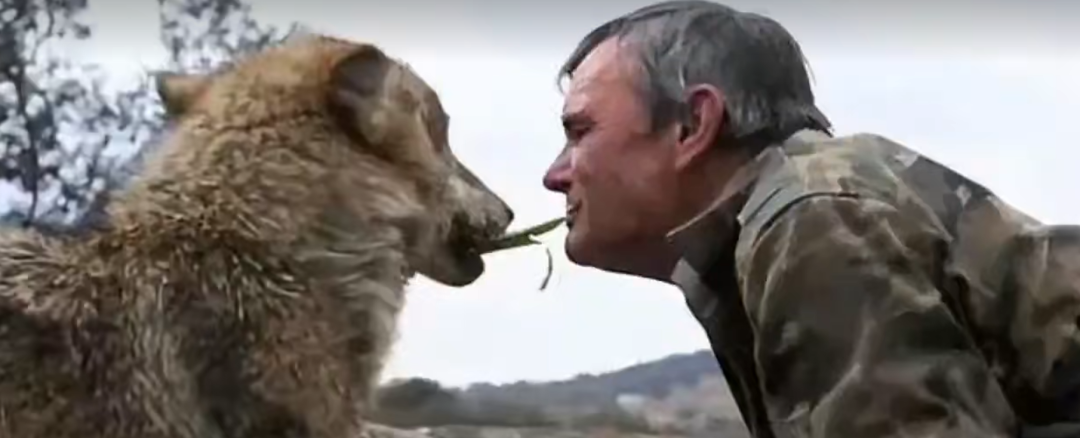 1965年,西班牙国民警卫队在搜索塞拉莫雷纳山脉时,一个赤身裸体、光着脚且四肢着地的年轻人从丛林中爬了出来,这个年轻人就是时年19岁的潘托哈,过去12年间,他一直生活在山中,与世隔绝。他被发现时脚上长满了厚厚的老茧,而且不会说话。


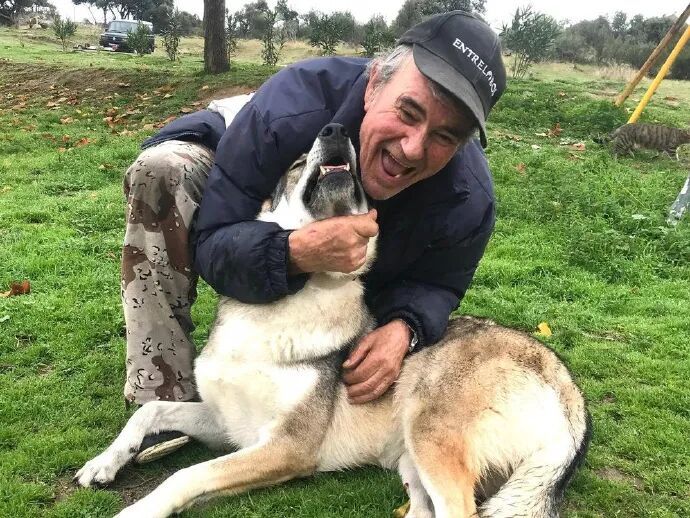 潘托哈说,他还有一条蛇作伴,因为他给蛇喂羊奶,蛇就跟着他到处走。国民警卫队发现他后强行将他从山上拖了下来,他像狼一样嚎叫和撕咬,警卫队员们不得不绑住他的手脚并堵住他的嘴。
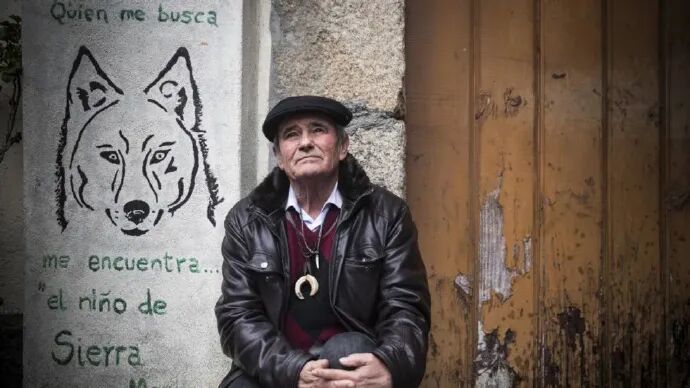 2010年,以潘托哈为原型的故事被拍摄成了电影《与狼共伍》。来源:现代快报 大河报编辑:戴玉春审核:郑伟、孙殿洋监制:孙帅
 QQ好友和群
 QQ空间
QQ空间 腾讯微博
腾讯微博 腾讯朋友
腾讯朋友 收藏
收藏 支持
支持 反对
反对
 发表于 17:10:04


