搞笑一家人
36 South Sudanese students awarded Chinese ambassador scholarship_我的网站

A | The Chinese Embassy in South Sudan awarded scholarships to 36 students from the University of Juba on Friday, reinforcing China's ongoing commitment to the country's higher education and youth development.
Established in 2021, the Chinese Ambassador Scholarship in South Sudan provides vital financial assistance to high-achieving students from underprivileged backgrounds.
According to Chinese Ambassador to South Sudan Ma Qiang, the initiative has now supported more than 100 students, and the embassy also donated books to the university to further support academic research and learning.
"We will continue to strengthen exchanges with the University of Juba and look forward to more and more students becoming messengers of cultural exchanges, inheritors of friendship and promoters of relations between our two countries," Ma said at the award ceremony.
John Akec, vice chancellor of the University of Juba, said the recipients, primarily second- and third-year students, represent a range of academic disciplines, with a focus on the sciences, economics, and business.
Expressing his gratitude to the Chinese embassy for its ongoing support, Akec said the scholarship program offers hope to a new generation poised to shape the nation's future.
Speaking on behalf of the recipients, Lilian Kerlili Hassan, a third-year computer science and information technology student, expressed deep appreciation for the support.
She noted that the award represents more than just financial aid; it serves as a platform for students to achieve their academic goals and prepare for future leadership roles.
。
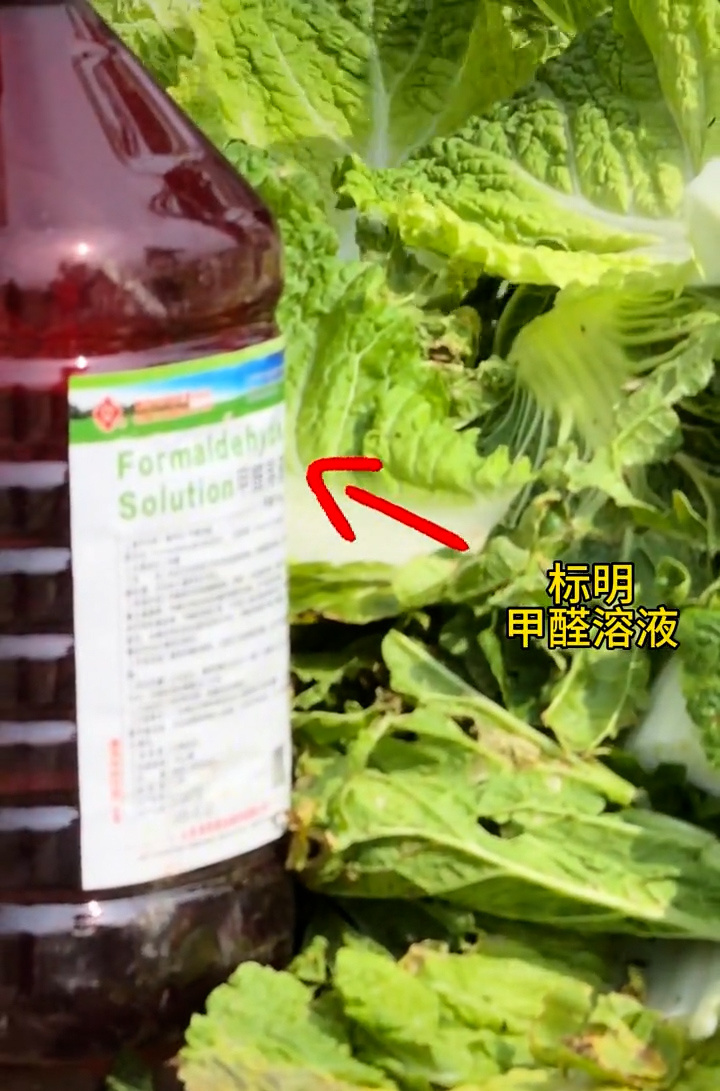
视频中拍摄到装载白菜的货车上有标注“甲醛溶液”的瓶子其中,视频中拍到一辆正在装车的货车司机表示,这车大白菜将运往江苏宿迁。还有一现场人员表示,蘸取甲醛溶液后能保鲜"2—3天"。视频最后,该博主表示已在合肥某市场的大白菜中检测出了甲醛,确认是从河北运来的大白菜。
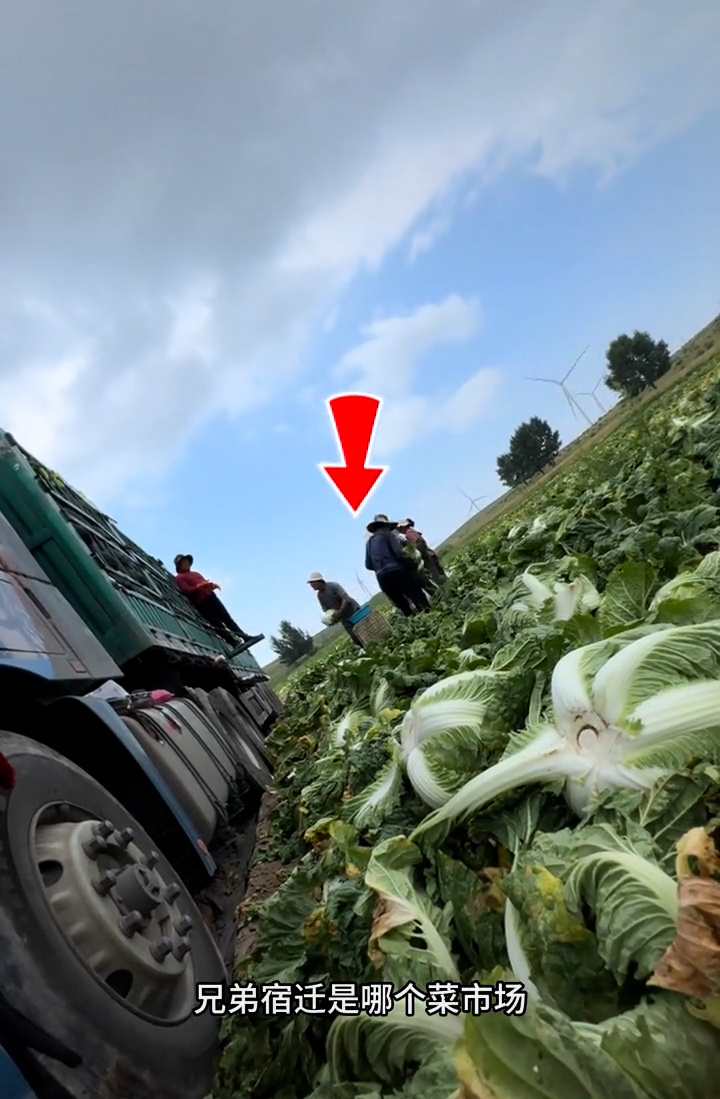
视频中拍摄到装车人员疑似在蘸取甲醛溶液8月22日上午,澎湃新闻致电河北张家口市市场监督管理局,接线工作人员表示,已注意到相关情况,目前市场监督管理局、当地农业局及警方均已介入调查。澎湃新闻注意到,据“科普中国”此前发布的报道显示:蔬菜中的甲醛可以分为内源性和外源性两类。内源性的甲醛是生物代谢过程中产生的,自然存在于许多食物中,如蔬菜、菌菇、水果、肉类、鱼类等。这类甲醛含量极少,基本对人体不会产生危害。外源性的甲醛是在食物加工、运输、销售过程中由于人为不当使用产生的,是造成食品甲醛污染问题中的主要原因。个别不法菜贩子向蔬菜根部喷洒稀释后的甲醛,不但可以减少蔬菜长途运输过程中的发热腐烂现象,还会使其根部白净,更受购买者的喜爱。

B | 我国《食品安全法》及《农产品质量安全法》中明确规定,甲醛不得作为食品用加工助剂生产经营和使用。也就是说,以任何方式在食品中添加甲醛的行为都是违法的。此外,“科普中国”文章中还提到:甲醛每日允许摄入量为0.2毫克/公斤体重。按体重60千克计算,甲醛的每日允许摄入量总值为12毫克。

C | 广州的一项调查显示,当地农贸市场所有蔬菜甲醛的平均含量为0.272毫克/千克。如不考虑其他食物的甲醛摄入,甲醛摄入要超过每日允许摄入量,需要一天吃44.118千克蔬菜才行。

D | 甲醛是一种容易挥发的物质,而且如果蔬菜上真有很高浓度的甲醛,不用放在鼻子底下就能闻到了。如果觉得自己可能买到了有甲醛的蔬菜,不放心的话,最好扒掉外层叶子,用清水泡洗几遍,时间允许的情况下也可以再多煮几分钟。
Current article:http://hv8.cuntoujuefourantapai.cfd/nbu9p/20260826/439050.html
Published on:11:47:58